
Termites are one of the most expensive pest problems a homeowner can face. According to industry estimates, they cause billions of dollars in property damage across the U.S. each year. The scary part? Most homeowners don’t know they have termites until the damage is already done.
In New Jersey, termite season kicks off in spring. If you own a home in Jersey City or anywhere in Hudson County, now is the time to get ahead of the problem.
When Is Termite Season in New Jersey?
Termite season in NJ typically runs from March through June. As the ground warms up and spring rains add moisture to the soil, subterranean termites become active. This is also swarming season, when mature colonies send out winged termites to start new colonies.
If you see small, winged insects near your windows or doors in spring, don’t assume they’re just flying ants. Termite swarmers look similar, but their wings are equal in length and they have straight antennae. Flying ants have uneven wings and bent antennae. If you’re not sure, save a sample in a plastic bag and have a professional identify it.
Why Jersey City Homes Are at Risk
Jersey City has a lot of older housing stock. Row homes, brownstones, and multi-family buildings built decades ago often have wooden structural elements that termites love. Basements in these homes tend to hold moisture, which creates the perfect environment for subterranean termites.
Termites don’t need a large opening to get in. They can enter through cracks in the foundation as thin as a credit card. They build mud tubes along foundation walls to travel between the soil and the wood they’re feeding on. These tubes are one of the clearest signs of an active termite problem.
The density of housing in Jersey City also plays a role. When homes share walls or sit close together, a termite colony on one property can easily spread to the next. If your neighbor has had termite issues, your home could be at risk too.
Signs of Termite Damage
Termites work from the inside out, so damage can go unnoticed for years. Here are the warning signs every homeowner should know.
Mud tubes on foundation walls, basement walls, or support beams. Hollow-sounding wood when you tap on door frames, baseboards, or window sills. Doors and windows that suddenly stick or won’t close properly. Bubbling or peeling paint on walls, which can look like water damage. Tiny pinholes in drywall. Discarded wings near windows or doors, especially after a warm rain. Sagging or buckling floors, which can indicate damage to the subfloor or joists below.
Even if you don’t see these signs, that doesn’t mean termites aren’t there. Colonies can be active for years before visible damage appears. The EPA’s guide to controlling pests safely recommends having a trained professional inspect your home before attempting any treatment on your own.
When to Schedule a Termite Inspection
The best time to schedule a termite inspection is in early spring, before swarming season peaks. An inspection gives you a clear picture of whether termites are present and how much damage, if any, has already occurred.
You should also schedule an inspection if you’re buying or selling a home. Most mortgage lenders in New Jersey require a termite inspection as part of the closing process. Even if it’s not required, it’s a smart investment. Catching a termite problem early can save you thousands of dollars in repairs. For more context on what pest control services cost in Jersey City, take a look at our breakdown of pest control pricing.
Annual inspections are also a good idea if you live in an older home or if your neighbors have had termite issues. Termite colonies can span multiple properties, and regular inspections help you catch new activity before it becomes a major problem.
What Happens During a Termite Inspection?
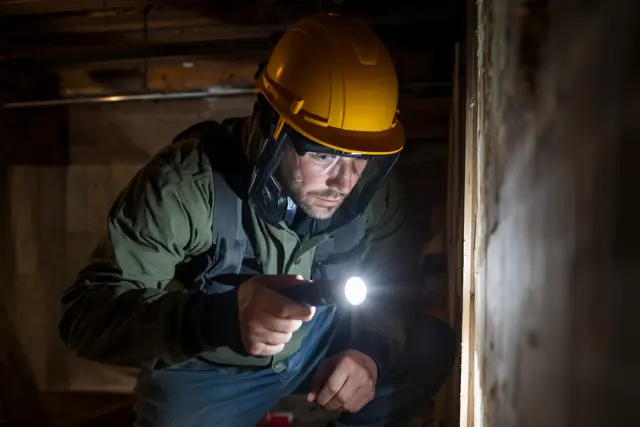
A licensed technician will check your home’s interior and exterior for signs of termite activity. This includes the basement, crawl spaces, foundation walls, wooden structures, and areas where wood meets soil. The technician will also look for conditions that attract termites, like standing water, wood-to-soil contact, and poor drainage. The inspection usually takes about an hour for a standard home.
If termites are found, the technician will explain the treatment options. These may include liquid barrier treatments applied around the foundation, bait stations placed in the soil around your property, or a combination of both, depending on the type and severity of the infestation.
Don’t Wait for Visible Damage
Termite damage can cost homeowners thousands of dollars to repair. The longer the colony feeds, the worse the damage gets. A home that looks fine on the outside can have serious structural problems hidden behind the walls.
Jersey City Exterminators offers free termite inspections for homeowners in Jersey City, Hoboken, Bayonne, North Bergen, and throughout Hudson County. Call (201) 460-6068 today to schedule yours before peak season hits.